
Categories
General, Homebuyers, Home SellersPublished March 31, 2026
How to avoid appraisal issues and appraisal gap surprises

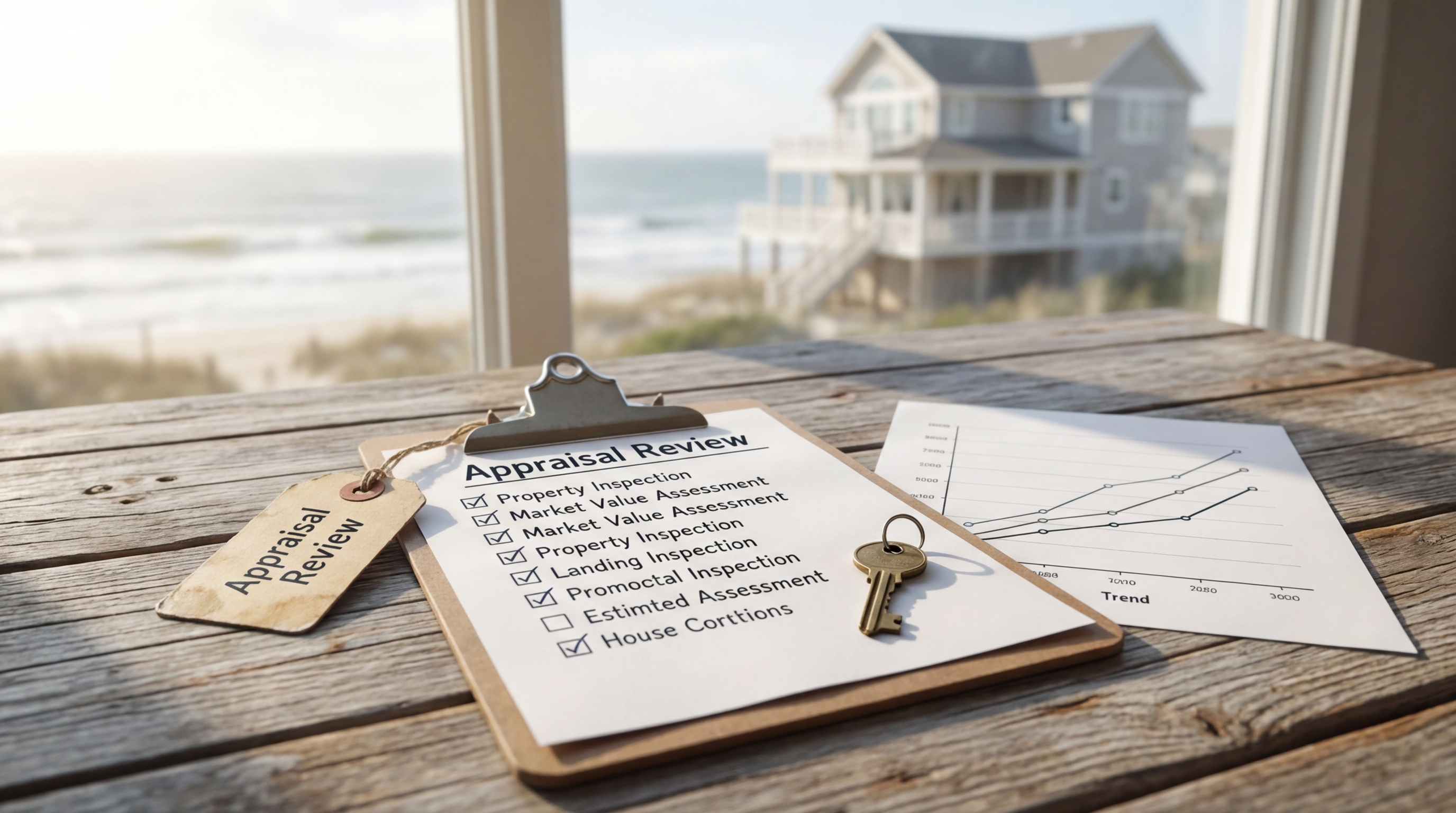
Appraisals can feel like a curveball when you’re buying a home in Virginia Beach, Norfolk, Chesapeake, Suffolk, or Coastal North Carolina. You negotiate a price you feel good about, and then the lender’s appraisal becomes the checkpoint that can either validate the deal—or force a new plan. Understanding how appraisals work before you write an offer helps you avoid panic later.
An appraisal isn’t “what the home is worth to you.” It’s a professional opinion of value based on recent comparable sales, the home’s condition, and the local market. Lenders use it to confirm the home supports the loan amount. If the appraisal comes in below the contract price, the difference is commonly called the appraisal gap. \n\nThe first way to reduce appraisal risk is to treat comps like gospel. A home’s upgrades only matter if the neighborhood supports the price. If you’re stretching above the most recent closed sales, you’re increasing the odds of a low appraisal—especially if the home is unique or the market is shifting.
Second, watch list-to-sale patterns in the specific neighborhood. If homes are consistently closing at or above list price, the data may support strong offers. But if there have been recent price reductions or longer days on market, the appraiser’s benchmark may be more conservative than buyers expect.
Third, pay attention to condition and “functional utility.” Two homes with the same square footage can appraise differently if one has deferred maintenance, dated systems, or layout limitations. Appraisers also factor in things like exterior condition, roof age (when obvious), and overall upkeep. Clean, well-maintained homes tend to support pricing better.
If an appraisal comes in low, you still have options. One path is renegotiating the price. Another is requesting a reconsideration of value, but it needs real evidence—strong comparables or corrections to factual errors. In some cases, adjusting closing terms or splitting the gap can keep the deal alive.
It also helps to plan ahead in your contract strategy. Some buyers choose to include language that addresses appraisal outcomes. Others decide up front what they’re willing (or not willing) to pay if the appraisal doesn’t meet the contract price. Having a clear limit protects you from emotional decisions.
Finally, remember that appraisal issues are a normal part of real estate—not a catastrophe. The difference between stress and confidence is having a local plan, strong comps, and an agent who knows how appraisers view your area.
Call us at 757-744-3456 or search for homes on our website at https://bit.ly/3OM5NLF
|


or another way